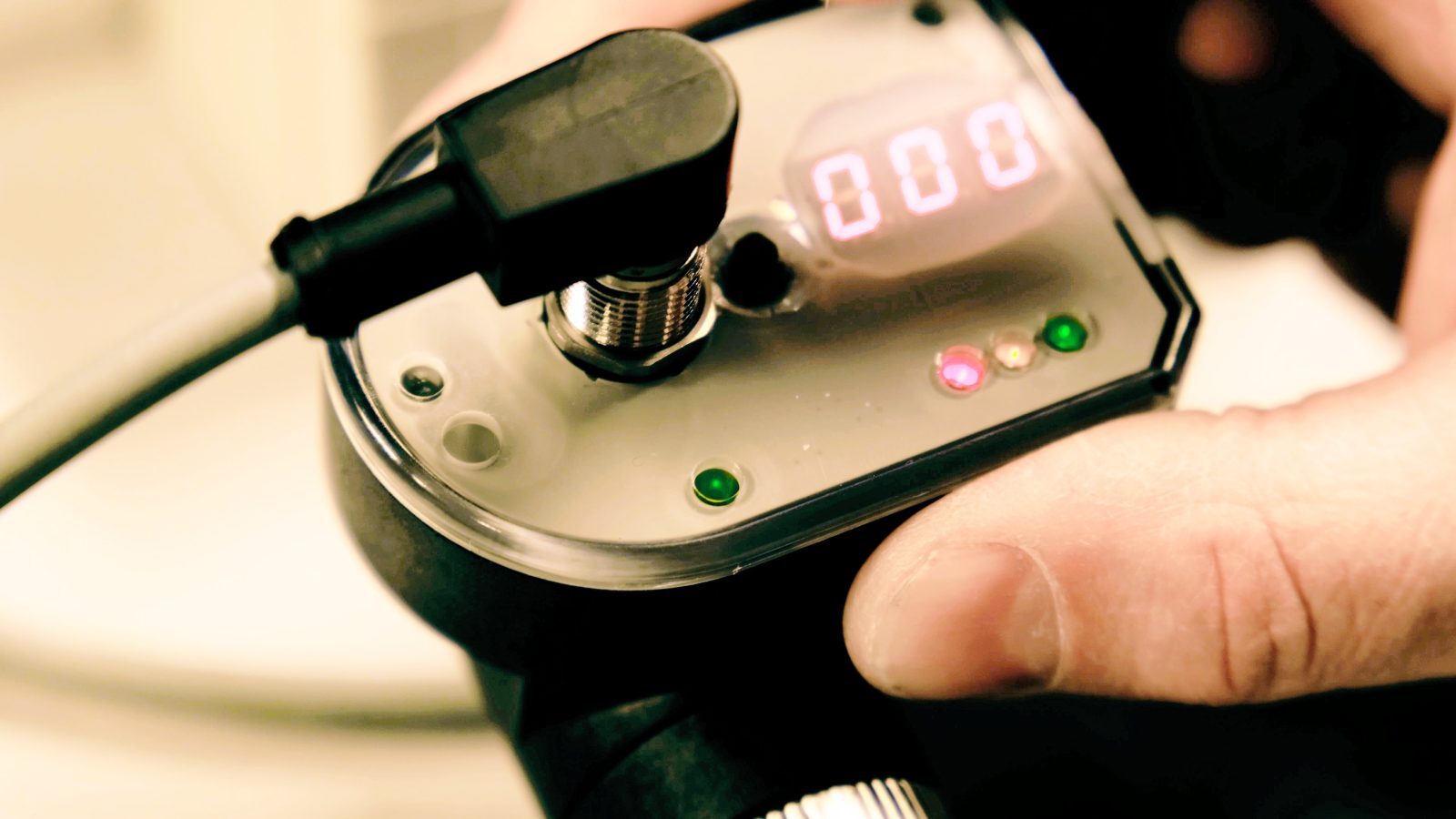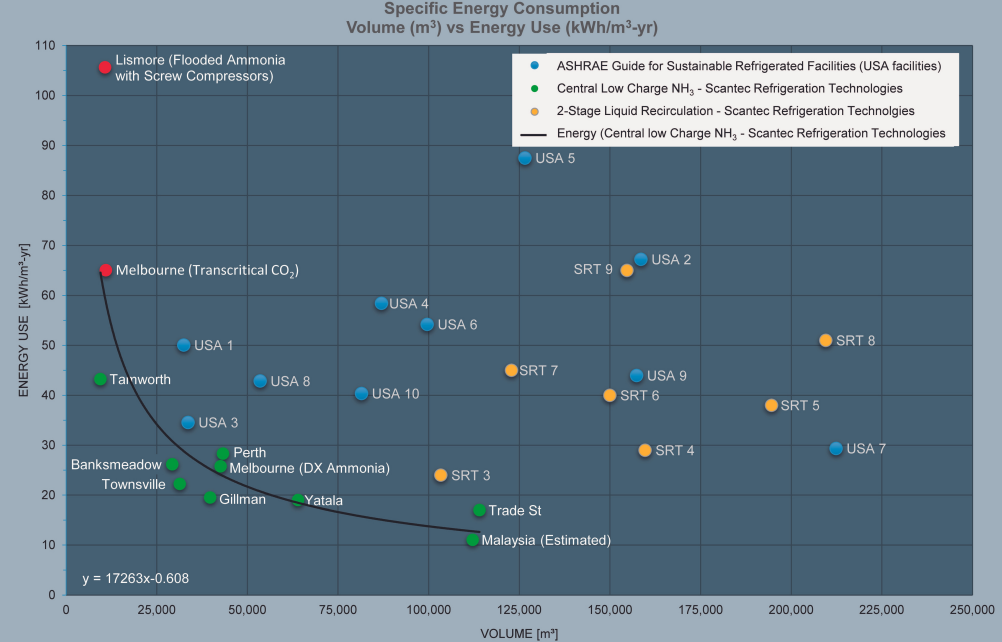
Defrost on demand starts and stops the cycle from measured ice - not elapsed time.
|
FROM |
TO |
A cold store should defrost because frost is restricting heat transfer. Yet many systems still run fixed schedules that ignore the actual condition of the evaporator
Cold storage is energy intensive. Wasteful defrosting is not.
Cold stores have high energy demand by nature. But when defrost cycles are controlled by a timer, the system often uses more energy than the operating conditions require. It defrosts on schedule - whether enough ice has formed or not.
That matters when energy costs, climate targets and regulation are all moving in the same direction. Owners and operators need cooling capacity they can rely on, without paying for cycles that add no value.
Frost is not a cosmetic problem
As ice builds on the evaporator fins, it blocks airflow and insulates the coils. Heat transfer falls, capacity drops and the refrigeration system has to work harder.
|
THE OPERATING THRESHOLD At 7 mm fin spacing, an ice layer of only 1.5-2 mm can reduce heat transfer by 5-15%. |
Defrosting is therefore necessary. It restores airflow and heat transfer and helps maintain stable operation. It also limits water dripping from heavily iced evaporators, reducing the risk of slippery floors and workplace accidents
Problem: The timer measures time - not ice
A fixed schedule cannot see humidity, product load or the actual frost layer. Short intervals waste energy. Long intervals risk reduced heat transfer and unstable performance. The control variable is wrong.
The practical alternative is straightforward: measure the condition that makes defrost necessary, then start and stop the cycle from that measurement.




Measure frost across the evaporator
HBDF uses a sensing wire installed across a large area of the fins. This gives an average measurement of frost accumulation across the evaporator rather than an indirect estimate from time or temperature alone.
The sensor output rises from 4 to 20 mA as the ice layer grows. When the signal reaches the configured setpoint - typically equal to 1.5-2 mm of frost - the controller starts defrost. HBDF also signals when the ice is gone, so the cycle does not continue longer than necessary.
|
CONTROL PRINCIPLE Start from measured frost. Stop when the evaporator is clean. This is direct control, not a timer adjustment. |
What changes in daily operation
Fewer unnecessary cycles leave more time for useful cooling and freezing. That improves facility utilisation and helps the system deliver more predictable capacity under changing loads.
Condition-based control also reduces avoidable service calls and the maintenance burden associated with excessive defrosting. The value is not the sensor alone. It is the operating discipline that direct measurement makes possible.
The numbers that matter
For cold-store applications, the original HB Products end-user material reports the following outcomes compared with traditional timer-based control:
|
50-70% fewer defrost cycles per year |
Up to 40% reported energy savings |
Within 30 days reported payback period |
Actual savings depend on the plant, operating profile and existing defrost strategy. The direction is clear: when unnecessary cycles are removed, energy use and lost cooling time fall together.
From seven cycles a day to one
|
“We have reduced defrost cycles from 7 times per day to just 1, with a positive impact on electricity consumption.” Morten Asferg, Chief Engineer Global Facility, Arla Foods |
The Arla Foods example shows why the control philosophy matters. Defrosting remains available when it is needed. The waste comes out of the schedule.
The bottom line
Defrosting is necessary. Timer-based defrosting is not.
Direct frost measurement gives owners and operators a better basis for energy efficiency, stable capacity and safer operation. It connects every defrost cycle to a physical need - and ends it when that need is gone.